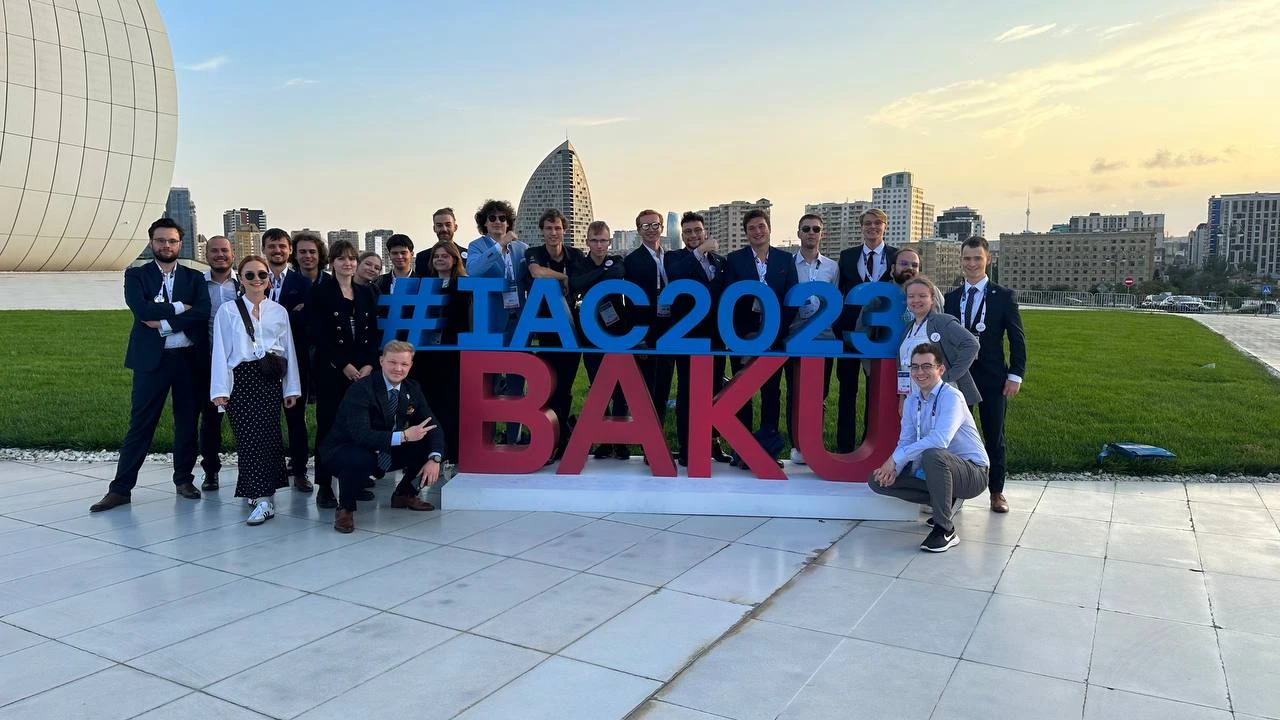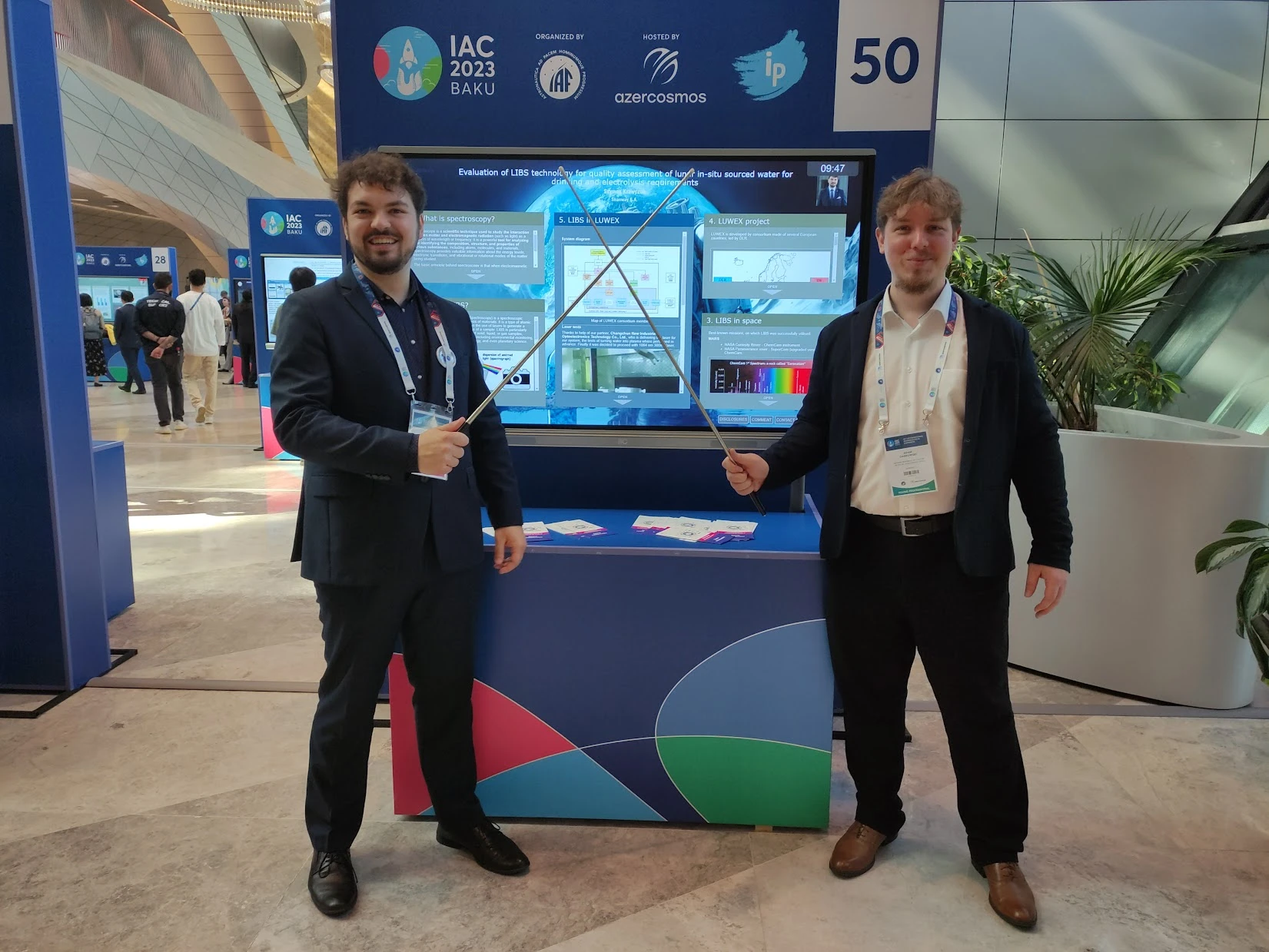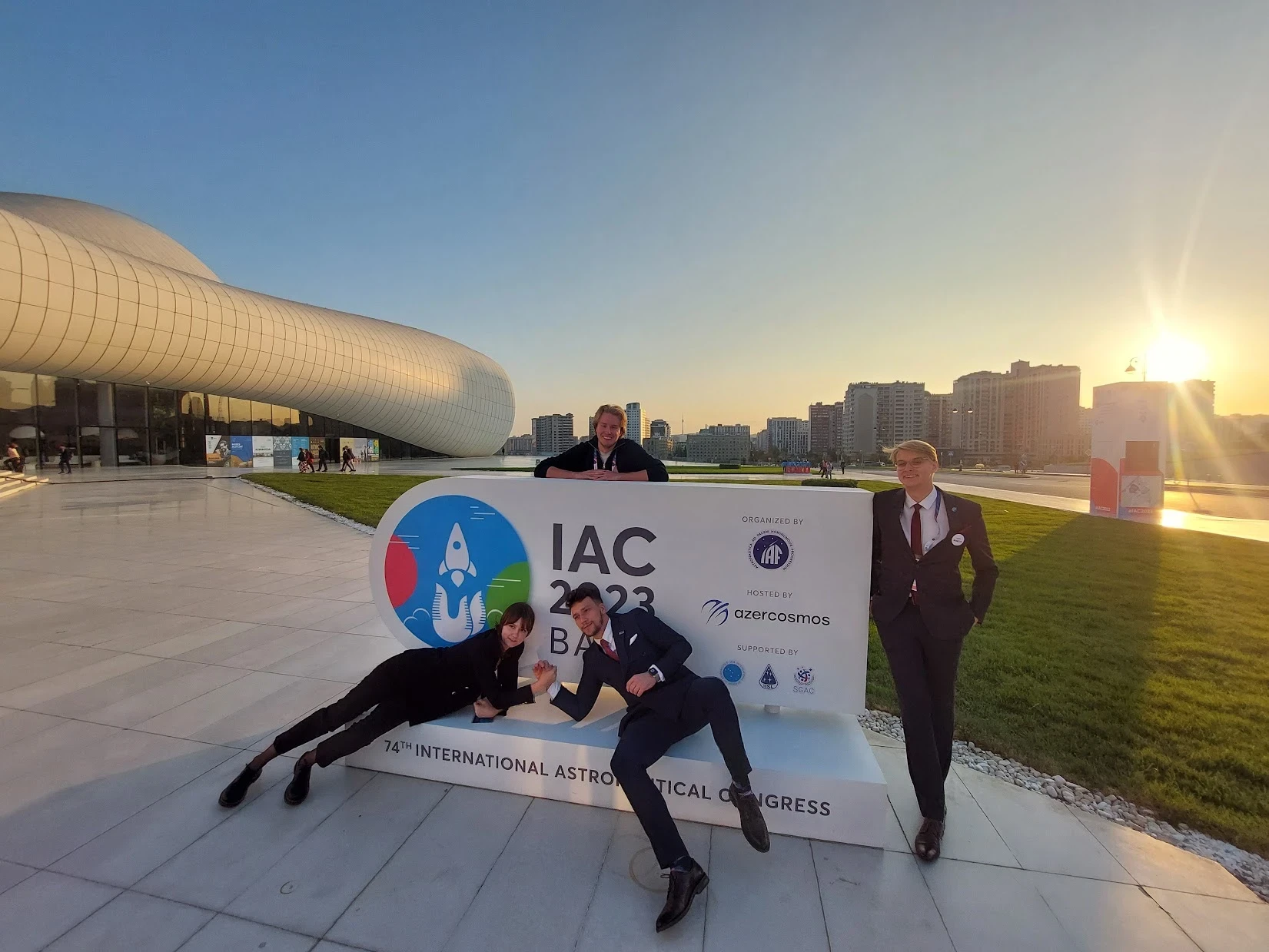
This year's International Astronautical Congress was in Baku, Azerbaijan, and I came with a different kind of paper. It wasn't about one mission, but about the whole history of Stardust: how a student project at Gdańsk Tech went from a first test balloon in 2016 to a platform that can catch microorganisms in the stratosphere. I presented it in the Astrobiology and Exploration session. Most of the early missions happened before I joined SimLE in 2018.
Here is the short version:
- 2016: The first flight had one goal: to check if the team could launch a stratospheric balloon at all. The setup was a balloon, a simple cut-off system, a parachute and a small gondola with a microcontroller logging data. It worked, and it taught the team to take the winds seriously when planning a flight.
- 2017: The first microbiological mission, with six filters. The sampling system was based on one flown by Japanese researchers in 2005, with extra filters added as controls. The valves never opened. The team still processed the filters as if they had samples on them, and all of them stayed sterile. So no science, but proof that our procedures didn't contaminate anything.
- 2018: A lighter system with only two filters. This time everything worked, and the air was filtered for an hour in the lower stratosphere. Nothing grew on the agar plates, but the DNA showed mostly Gram-positive bacteria, like Enterococcus, Staphylococcus and Bacillus. Other researchers reported the last two in the stratosphere many times.
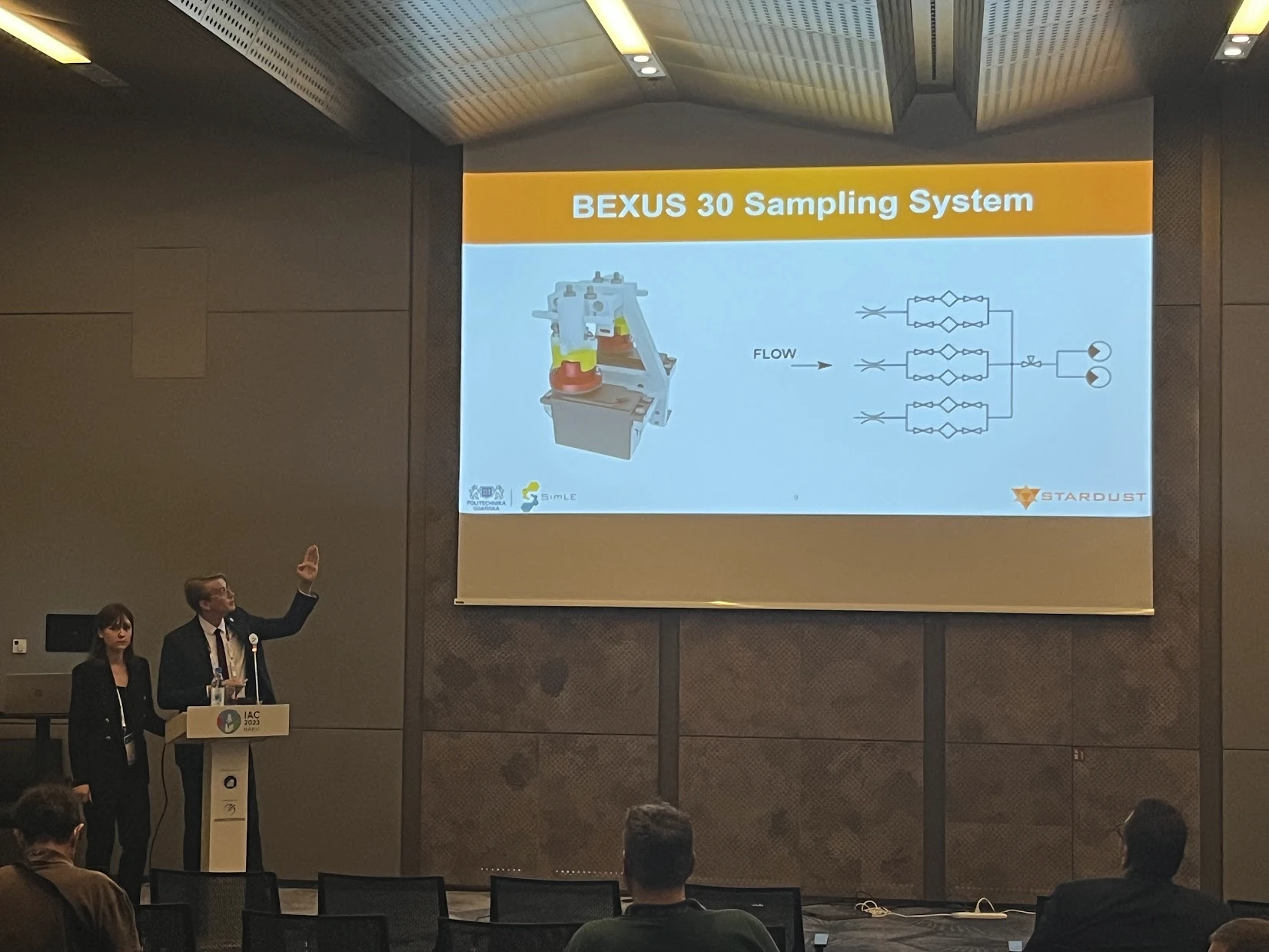
- 2019-2021: We applied to REXUS/BEXUS and were accepted into Cycle 13. The pandemic moved our flight by a year, so in July 2020 we flew a test mission with a smaller version of the new sampling system. In September 2021 the full system flew on BEXUS 30: three pairs of filters, each pair with one control, for DNA analysis, for cultures in normal conditions and for cultures at low pressure in a vacuum chamber. A copy of the experiment ran on the ground as a reference.
Since Biarritz we finally got the DNA sequencing done, and it gave us much better answers than MALDI-TOF alone. None of the bacteria from the stratosphere are Gram-negative. Almost all of them belong to three families that earlier studies found up there too. One of them is new to the list: Streptomyces microflavus, from a family that nobody had found in the stratosphere before. We also grew one mould, so bacteria are not the only organisms that survive there.
At PAC in Biarritz someone asked a good question: are you sure it all came from the stratosphere? The balloon surface is not sterile, and we took the caps off the air inlets before launch. Swabs from the balloon showed a very small amount of Gram-negative bacteria, and none of them showed up in the stratospheric samples. Our CFD analysis also shows that the wind is unlikely to get into the inlet pipes. That doesn't rule out contamination completely, but it makes it unlikely.
The last part of the paper is about what came after BEXUS. Many of us senior members had to hand the project over, so we recruited new students and added "NEXT" to the name. After a year of work, Stardust NEXT flew their first mission to test their own on-board computer, communication system, cutter, rigging and parachute. In August 2023 they flew a second mission without any help from us, with a new payload called Storm to study how toxins move at different altitudes in the stratosphere.
It's the same path the original Stardust took: technical tests first, then science. The next goal for the new team is BEXUS. In the paper we wrote that our results go beyond microbiology, and I believe that. To keep research going you need people, so we put a lot of time into passing on what we learned.
Read the full paper: SimLE Stardust: How an experiment evolved from student tinkering to a stratospheric research platform (PDF).